Understanding The Importance Of Bracing Seismic
Earthquakes are a natural phenomenon that can strike suddenly and without warning. These powerful forces of nature can cause widespread destruction and devastation, resulting in loss of life and property damage. In order to protect buildings and structures from the damaging effects of earthquakes, engineers and architects use a variety of design techniques, one of the most important being bracing seismic.
bracing seismic refers to the use of diagonal or horizontal bracing systems to provide added support and stability to buildings during an earthquake. These bracing systems are designed to absorb and dissipate the energy generated by an earthquake, preventing the structure from collapsing or sustaining serious damage. By incorporating bracing seismic into the design of a building, engineers can significantly reduce the risk of structural failure during an earthquake.
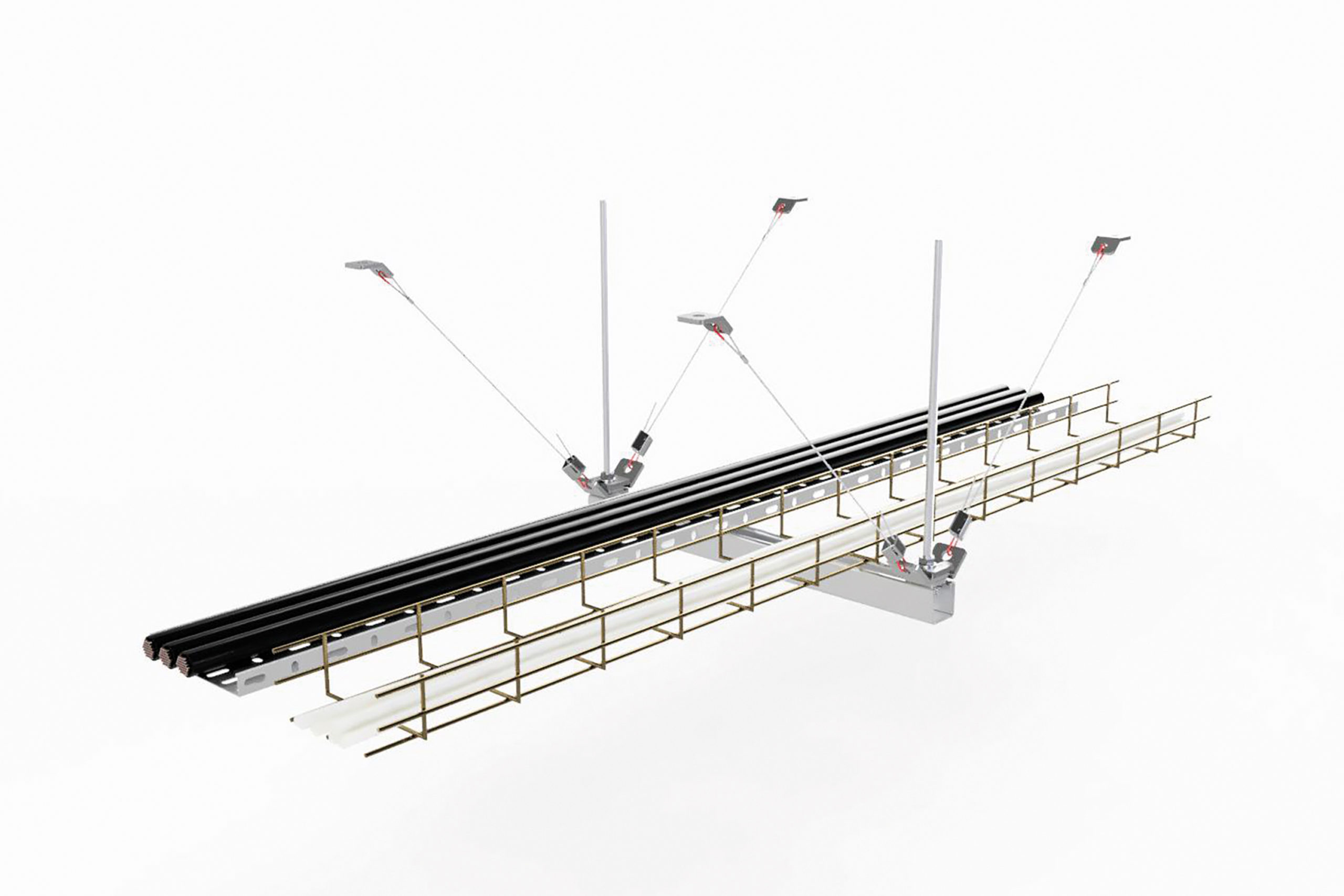
There are several different types of bracing systems that can be used to brace a building against seismic forces. These include diagonal bracing, which consists of a series of diagonal members that are connected to the building frame to provide lateral support. Horizontal bracing, on the other hand, consists of horizontal members that are connected to the building frame to resist lateral forces. Both types of bracing systems work together to provide added strength and stability to the building, helping to prevent structural failure during an earthquake.
In addition to diagonal and horizontal bracing, engineers may also use other types of bracing systems, such as cross bracing, eccentric bracing, or buckling-restrained bracing. Each of these systems is designed to provide specific benefits and can be tailored to the unique needs of a building or structure. By carefully considering the design and layout of a building, engineers can determine the most effective bracing system to use in order to protect the structure from seismic forces.
One of the key benefits of bracing seismic is its ability to reduce the amount of sway and movement that a building experiences during an earthquake. This is important because excessive movement can cause buildings to lose their stability and collapse. By using bracing systems, engineers can help to minimize the amount of movement that a building undergoes during an earthquake, reducing the risk of structural failure and ensuring the safety of occupants.
Another important benefit of bracing seismic is its ability to distribute the forces generated by an earthquake evenly throughout the building. This helps to prevent localized areas of stress and strain, which can lead to structural damage. By spreading the forces out evenly, bracing systems help to protect the building from excessive wear and tear, extending its lifespan and reducing the need for costly repairs.
bracing seismic is a crucial component of earthquake-resistant design, as it helps to ensure the safety and stability of buildings and structures during seismic events. By incorporating bracing systems into the design of a building, engineers can help to protect the structure from the damaging effects of earthquakes, reducing the risk of collapse and ensuring the safety of occupants. In regions that are prone to earthquakes, bracing seismic is an essential element of building design, helping to mitigate the risks associated with seismic activity.
In conclusion, bracing seismic is a critical component of earthquake-resistant design that helps to protect buildings and structures from the damaging effects of earthquakes. By using diagonal, horizontal, and other types of bracing systems, engineers can provide added support and stability to buildings, reducing the risk of structural failure during seismic events. With the use of bracing seismic, engineers can help to ensure the safety and stability of buildings, protecting lives and property from the devastating effects of earthquakes.