A Complete Guide To Beavertail Flatbed: The Ultimate Solution For Hauling Heavy Loads
When it comes to transporting heavy machinery, vehicles, or equipment, having the right type of trailer is crucial. One popular option that is frequently used for this purpose is the beavertail flatbed. This type of trailer is known for its unique design and functionality that makes it well-suited for hauling heavy loads. In this article, we will explore everything you need to know about the beavertail flatbed and why it is the ultimate solution for your hauling needs.
What is a beavertail flatbed?
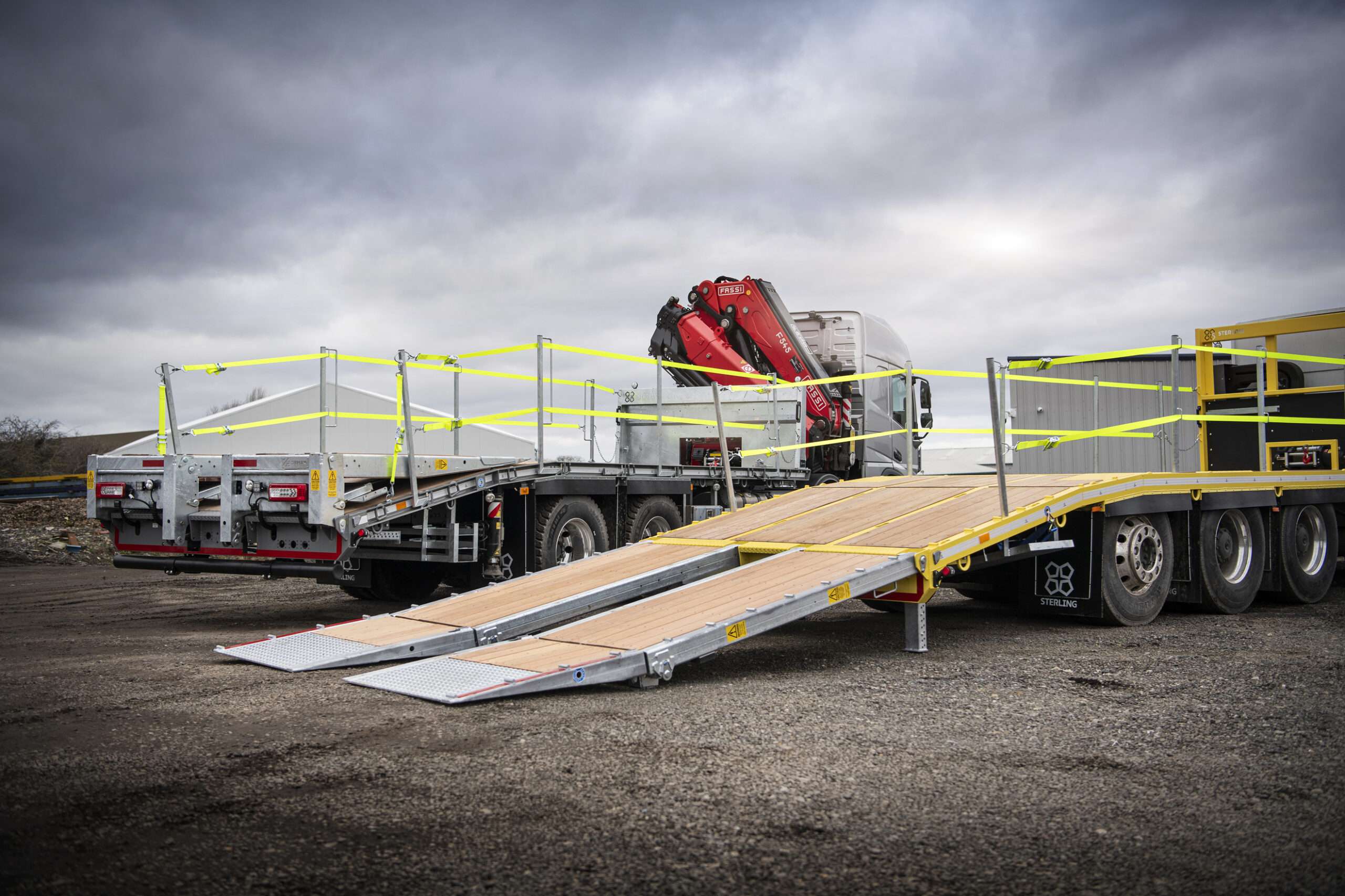
A beavertail flatbed is a type of trailer that features a flat and extended rear section, giving it a distinctive “beavertail” shape. This design allows for easier loading and unloading of heavy equipment and vehicles, as it provides a gradual incline for smooth transitions. The beavertail flatbed is often used in industries such as construction, agriculture, and transportation, where the need to transport heavy machinery is common.
Key Features of a beavertail flatbed
One of the key features of a beavertail flatbed is its versatility. The extended rear section of the trailer can be lowered to the ground, creating a ramp for easy loading and unloading of heavy loads. This feature is particularly useful when transporting equipment that cannot be driven onto the trailer, such as forklifts, excavators, or tractors.
In addition to its ramp functionality, a beavertail flatbed also typically comes equipped with heavy-duty tie-down points to secure the load during transportation. These tie-down points ensure that the load remains secure and stable, minimizing the risk of accidents or damage during transit.
Benefits of Using a beavertail flatbed
There are several benefits to using a beavertail flatbed for hauling heavy loads. One of the primary advantages is the ease of loading and unloading that the ramp provides. This makes the process much more efficient and reduces the risk of injury or damage to the equipment being transported.
Additionally, the extended rear section of the beavertail flatbed provides extra space for larger or longer loads. This means that you can transport a wider variety of equipment without the need for additional trailers or special equipment.
Furthermore, the heavy-duty construction of a beavertail flatbed ensures that it can withstand the weight and pressure of heavy loads without compromising safety. This makes it a reliable and durable option for transporting valuable equipment or machinery.
Applications of Beavertail Flatbed
Beavertail flatbed trailers are commonly used in a variety of industries and applications due to their versatility and reliability. Some common uses of beavertail flatbed trailers include:
1. Construction: Beavertail flatbeds are often used to transport heavy construction equipment such as bulldozers, cranes, and excavators to and from job sites.
2. Agriculture: Farmers and agricultural workers rely on beavertail flatbeds to transport tractors, combine harvesters, and other farm machinery across large distances.
3. Transportation: Beavertail flatbed trailers are also used in the transportation industry to haul vehicles, containers, and other cargo over long distances.
Overall, the beavertail flatbed is a versatile and reliable option for hauling heavy loads in a variety of industries and applications. Its unique design and functionality make it an ideal choice for transporting equipment and machinery safely and efficiently.
In conclusion, a beavertail flatbed is the ultimate solution for your hauling needs when it comes to transporting heavy loads. Its innovative design, versatility, and durability make it a popular choice in industries such as construction, agriculture, and transportation. Whether you need to transport heavy machinery, vehicles, or equipment, a beavertail flatbed provides the reliability and efficiency you need to get the job done.