Everything You Need To Know About HVAC Rope
When it comes to HVAC systems, there are a multitude of components that work together to keep your home comfortable and temperature-controlled One often overlooked but essential piece of equipment is HVAC rope This versatile tool plays a crucial role in the installation and maintenance of heating, ventilation, and air conditioning systems.
HVAC rope, also known as pulling rope or fish tape, is a strong and durable rope used by HVAC technicians and contractors for various purposes It is typically made of braided nylon or polyester fibers, which provide the necessary strength and flexibility required for pulling wires and cables through conduits and ducts.
One of the primary uses of HVAC rope is for pulling wires through conduit or ductwork during the installation or repair of HVAC systems This is a critical step in the process, as proper wire installation is essential for the safe and efficient operation of the system HVAC rope allows technicians to easily thread wires through tight spaces and difficult-to-reach areas, ensuring a secure and reliable connection.
In addition to pulling wires, HVAC rope is also used for running ductwork and piping in HVAC systems This includes pulling refrigerant lines, ducts, and other components through walls, ceilings, and floors to connect various parts of the system The strength and flexibility of HVAC rope make it an indispensable tool for navigating the complex pathways of HVAC systems and ensuring that all components are properly aligned and installed.
Another common use of HVAC rope is for hoisting equipment and materials during HVAC system installation or maintenance HVAC technicians often need to lift heavy components such as compressors, condensers, and air handlers to their proper locations, and HVAC rope provides a reliable and secure means of doing so By attaching the rope to the equipment and using a pulley system, technicians can safely lift and position even the heaviest HVAC components with precision and ease.
HVAC rope is also essential for securing and supporting ductwork and piping within HVAC systems By tying off sections of ductwork or piping with rope, technicians can prevent shifting or sagging that can compromise the integrity of the system hvac rope. This ensures that all components are properly aligned and supported, reducing the risk of leaks, airflow restrictions, and other issues that can impact the performance of the HVAC system.
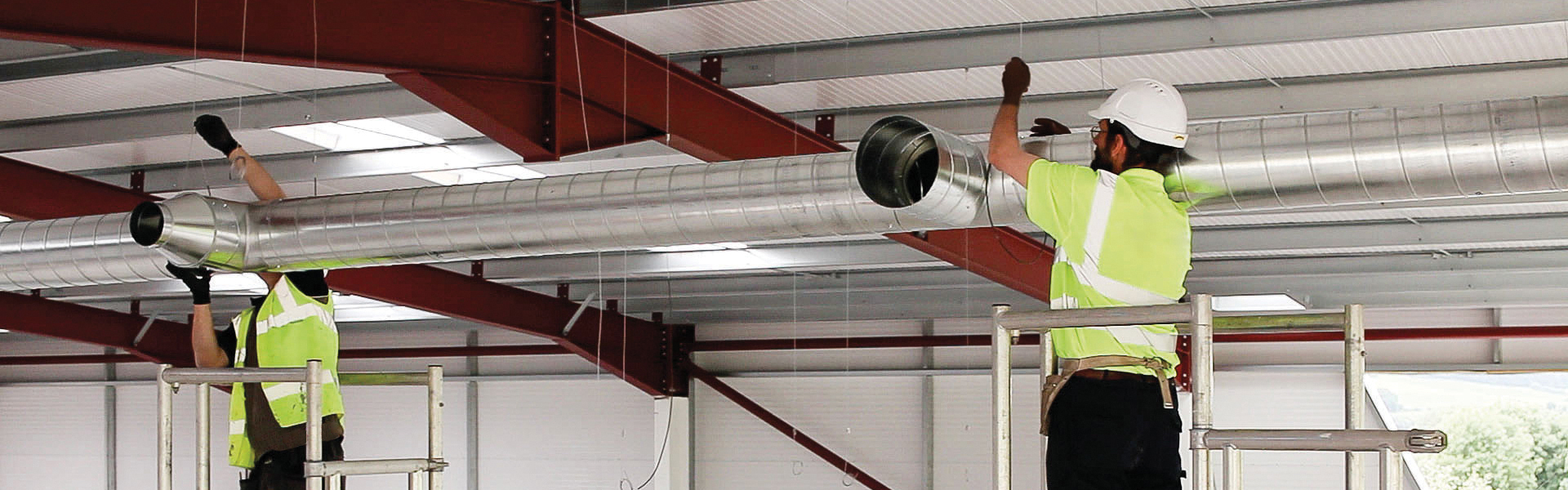
When selecting HVAC rope for a project, it is essential to consider the specific requirements of the job Factors such as the weight of the materials being lifted, the length of the run, and the size of the conduits or ducts will all impact the type of rope needed Thicker ropes with higher tensile strength are ideal for heavier loads and longer runs, while thinner ropes may be sufficient for lighter loads and shorter distances.
In addition to traditional nylon and polyester ropes, there are also specialized ropes available for specific HVAC applications For example, fiberglass-reinforced ropes are ideal for pulling wires through conduit or ductwork with sharp bends or rough edges, as they are less likely to fray or break under pressure Similarly, braided steel ropes are suitable for heavy-duty lifting and hoisting tasks, as they offer superior strength and durability compared to nylon or polyester ropes.
Proper care and maintenance of HVAC rope are also important to ensure its longevity and reliability Regular inspection for fraying, wear, or damage is essential to prevent accidents and ensure safe operation Cleaning the rope regularly with mild soap and water can help remove dirt, debris, and contaminants that can weaken the fibers over time Storing the rope in a cool, dry place away from sunlight and moisture will also help prolong its lifespan and maintain its strength and flexibility.
In conclusion, HVAC rope is a versatile and essential tool for HVAC technicians and contractors Its strength, flexibility, and durability make it an invaluable asset for a wide range of tasks, from pulling wires and running ductwork to lifting equipment and securing components By selecting the right type of rope for the job and following proper care and maintenance practices, HVAC professionals can rely on this indispensable tool to ensure the safe and efficient operation of HVAC systems.