Strengthening Structures: The Importance Of Seismic Bracing Systems
When constructing buildings in earthquake-prone regions, safety is of utmost importance. One crucial element in ensuring the structural integrity of buildings during seismic activity is the installation of a seismic bracing system. These systems are designed to resist the lateral forces that occur during an earthquake and protect the building from potential damage.
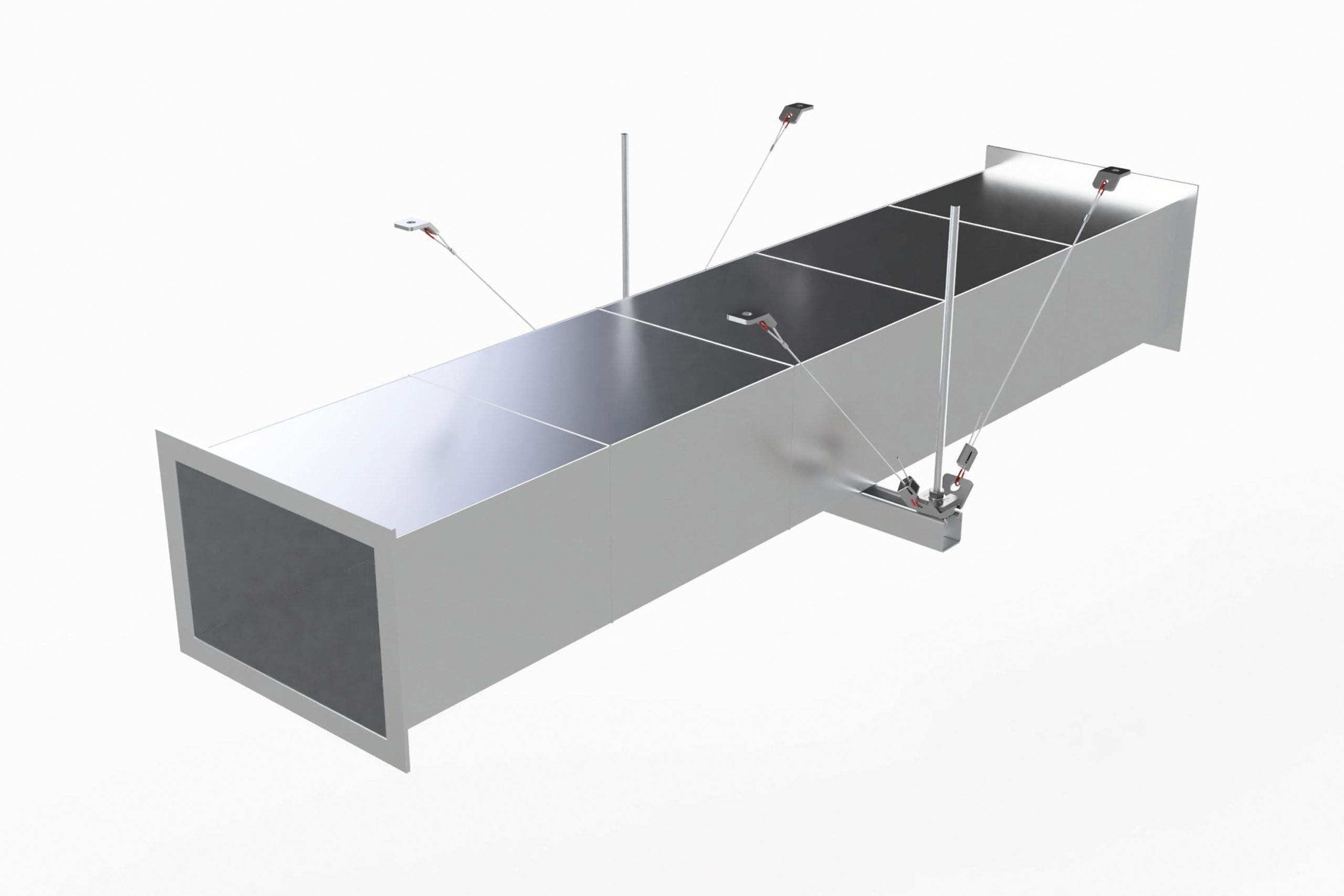
A seismic bracing system is a series of interconnected elements that work together to provide stability and support to a structure. These elements include beams, braces, and connections that are strategically placed to distribute the seismic forces and prevent the building from collapsing or sustaining severe damage. By incorporating a seismic bracing system into the design of a building, engineers can significantly enhance its resilience and reduce the risk of structural failure during an earthquake.
There are several types of seismic bracing systems that are commonly used in construction, each with its own unique features and benefits. One of the most popular systems is the moment-resisting frame, which consists of beams and columns connected in such a way that they can flex and absorb the energy generated by seismic activity. This type of system is ideal for buildings with large open spaces, such as warehouses and gymnasiums, as it provides the necessary strength and flexibility to withstand lateral forces.
Another commonly used seismic bracing system is the concentrically braced frame, which utilizes diagonal braces to dissipate seismic energy and prevent the building from swaying excessively during an earthquake. This system is often used in tall buildings and structures with irregular shapes, as it offers excellent ductility and stiffness to withstand seismic forces. By strategically placing these braces throughout the building, engineers can effectively reduce the impact of seismic activity and protect the structure from damage.
In addition to moment-resisting frames and concentrically braced frames, there are several other types of seismic bracing systems that can be implemented depending on the specific needs of a building. These include eccentrically braced frames, buckling-restrained braced frames, and viscous dampers, each offering unique advantages in terms of strength, flexibility, and durability. By working closely with structural engineers and seismic experts, builders can determine the most suitable bracing system for their project and ensure the safety and stability of the structure.
One of the key benefits of incorporating a seismic bracing system into the design of a building is the increased level of safety and security it provides to occupants. In the event of an earthquake, a properly installed bracing system can significantly reduce the risk of structural collapse and protect the lives of those inside the building. By investing in quality materials and professional installation, builders can create a safer environment for residents, employees, and visitors, giving them peace of mind in the face of seismic activity.
Furthermore, seismic bracing systems can also help to minimize the financial impact of earthquakes on buildings and infrastructure. By preventing structural damage and reducing the need for costly repairs, these systems can save property owners thousands of dollars in reconstruction and restoration expenses. In addition, by ensuring the long-term durability of a building, a seismic bracing system can increase its value and attract potential buyers or tenants who are looking for a secure and resilient structure.
Overall, seismic bracing systems play a critical role in safeguarding buildings and structures from the destructive forces of earthquakes. By incorporating these systems into the design and construction process, builders can enhance the safety, security, and resilience of their projects, creating a more stable and sustainable environment for all. Whether it’s a residential home, a commercial building, or a public facility, investing in a seismic bracing system is a wise decision that can protect lives, property, and assets in the event of a seismic event.